Castles, Schools Loans Box - Loan Box Subscription Service
Castles, Schools Loans Box |
|
|
In the box you will find a collection of objects from castle sites across Warwickshire. They will help you tell the story of life in a castle, provoke conversation, and support learning in the classroom. This pack contains information about the objects in the box and suggested activities that will use the objects. Each activity stands alone and can be used independently of the others. You will also find links to short videos with Warwickshire Museum’s curators talking about the objects in the loan box. Also included are suggestions of how the topic of castles fits with the history national curriculum and the substantive and disciplinary concepts it can cover. Object listThis list, from the teacher pack, shows the objects that are included in the Castles Loans Box. |
|
|
Medieval Green glazed ware – piece of a handle from a jug. Date: 12th to 14th century In the Medieval period, jugs like this would have had decorated handles and a green glaze. They were used to hold wine or beer. People mainly drank beer in the medieval period as the water was so polluted. Drinking the water would have made them sick. The process of making beer meant it was safer to drink. The beer wasn’t as strong as the beer people drink today, even children drank the beer in the medieval period. 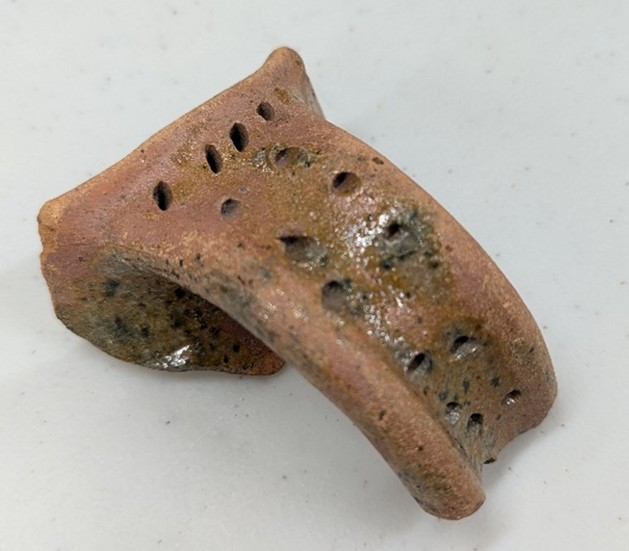
|
|
|
Glazed Floor tile Date: 13th to 15th century A floor tile with a pattern of four flowers. This type of tile would have covered the floors of dining halls and public spaces in castles to show how wealthy the owners were. The tiles would have been specially made by craftspeople working close to the castle. This floor tile was found at Maxstoke Castle. See the local history links below for more information about Maxstoke Castle. 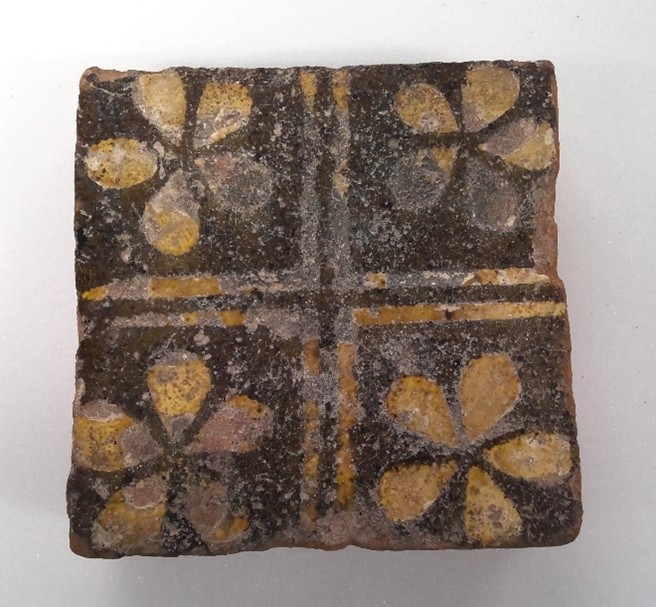
|
|
|
Iron cannon ball Date: 15th to 17th century Cannon were first used in Britain in the 14th century and marked a change in how battles and wars were fought. As the technology developed, the cannons were made bigger and so was the ammunition – cannon balls became an effective weapon against strong, stone castle walls. The museum has no information about where this cannon ball was found. 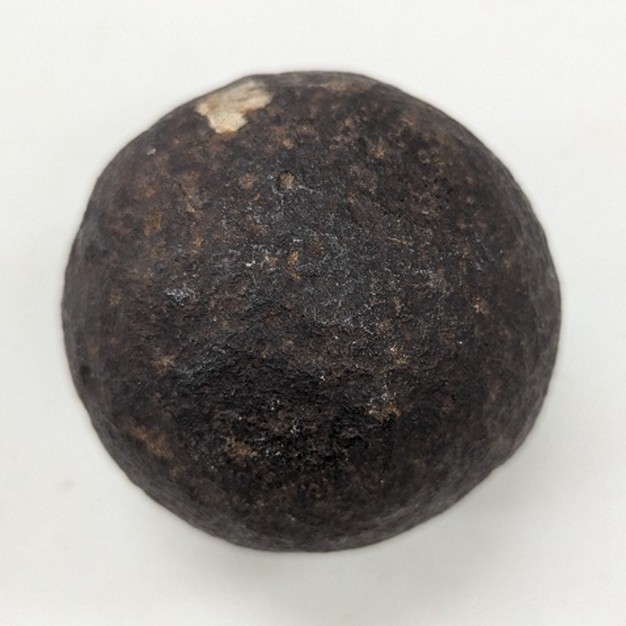
|
|
|
Pendant from horse harness showing a coat of arms. Date: 13th – 15th century A small metal shield shaped badge or pendant which would have been attached to a horses harness. The design of a lion standing (‘rampant’) would have been picked out in bright enamel colours. The badge would have shown which lord the rider (a knight perhaps) was loyal to or working for. 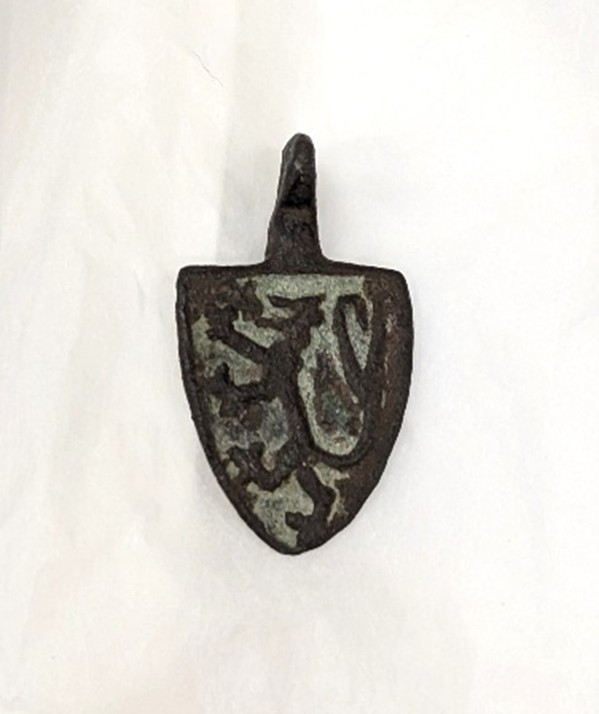
|
|
|
Iron spur Date: 13th century Iron prick spur, dated to 13th century, found at the site of Ratley Castle, south Warwickshire. A soldier worthy of becoming a knight was said to have won his spurs. Spurs were attached to the heel of your shoes and were used to dig into the horse’s side to keep it moving. It would have hurt the horse and is not something we would use today. 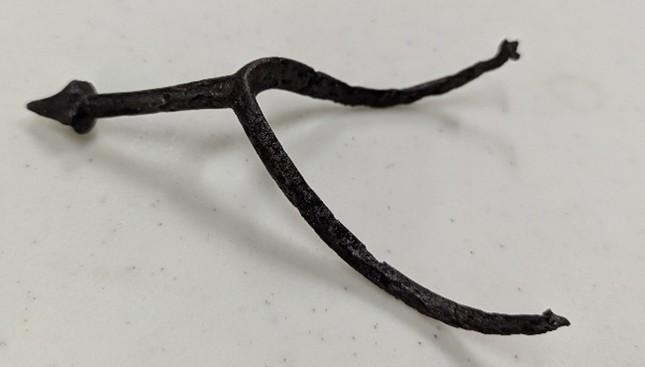
|
|
|
Carved stone architectural fragment. Date: 13th–14th century Castles were high status buildings. They took time and lots of money to build. They were often decorated with carvings in stone. Skilled master stone masons would have been paid to create the carvings. Their work would have been paid more than stone masons creating the stone blocks to build the walls of the castle. Large religious buildings such as cathedrals, monasteries and priories were also built from stone. They were also high status buildings and were decorated with beautiful carvings. This stone carving was found at Maxstoke Priory but is similar to decorative stonework at Kenilworth Castle. 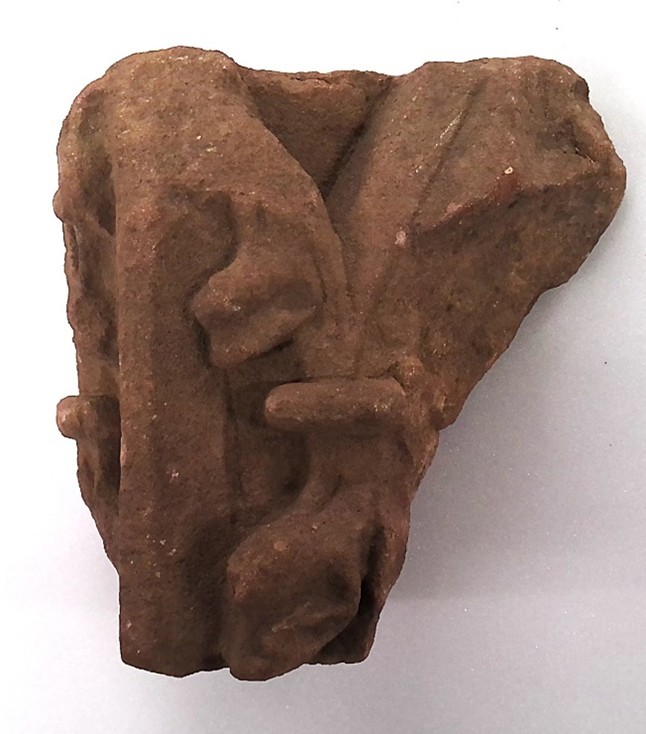
|
|
|
|