Explorers, Schools Loans Box - Loan Box Subscription Service
Explorers, Schools Loans Box |
|
|
In the box you will find a collection of original objects to use with your class to help them learn about the places early explorers visited and what they bought back to provoke conversation and support learning in the classroom. The teacher pack contains information about the objects in the box, local history links and suggested activities that will use the objects. Each activity stands alone and can be used independently of the others. The activities and objects in this box can be used to extend the topic beyond the history curriculum. Object ListThis list, from the teacher pack, shows the objects that are included in the Explorers Loans Box. |
|
|
Central or South American Figure This ceramic object is the head of a human figure, but it could be a god, a priest or a king, it was probably part of a bigger figurine or statue. Objects like this were brought back from Central or South America as souvenirs, but we do not have any information on them. They were collected without the stories from the people that made and used them. 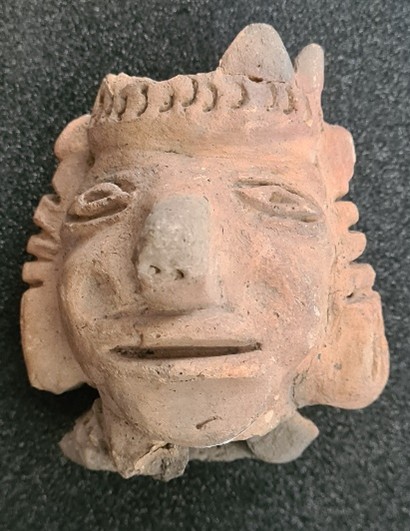
|
|
|
Ancient Egyptian Ushabti This is a clay figure from Ancient Egypt called an Ushabti, it would have been placed in a tomb with the mummy. The writing (hieroglyphs) on the front of the figure was a poem or prayer which would bring to life the ushabti as a servant for the dead person in the tomb. 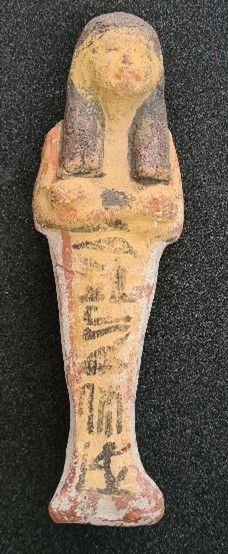
|
|
|
Glazed ceramic tile from Ancient Bengal This is a glazed tile with a floral design, it probably comes from a building in Gauda, the capital of Ancient Bengal which is in modern Bangladesh. The building would have been covered in colourful tiles like this one. 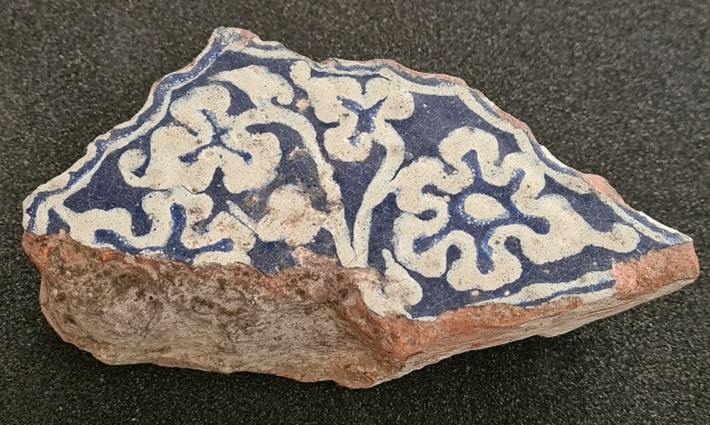
|
|
|
An agate stone A cut and polished agate which is a semi-precious stone. This example is probably from South America and collected in the nineteenth century. 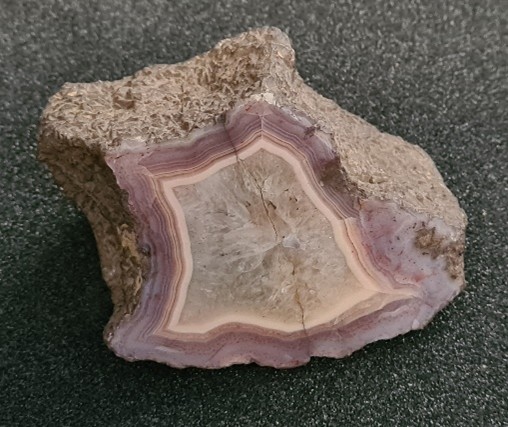
|
|
|
Spider conch shell An exotic tropical shell from the natural history handling collection. It's a spider conch and would have been collected from a shallow tropical coral sea or beach, somewhere in or around the Pacific Ocean. This shell might have been collected as a simple curiosity, perhaps by a European traveller, for which these highly polished, colourful, and ornamented shells would have been in stark contrast to the rather dull and small shells of our temperate shores. Equally it could have been collected commercially (perhaps even exported for sale in a UK gift shop), but there's no way of knowing. 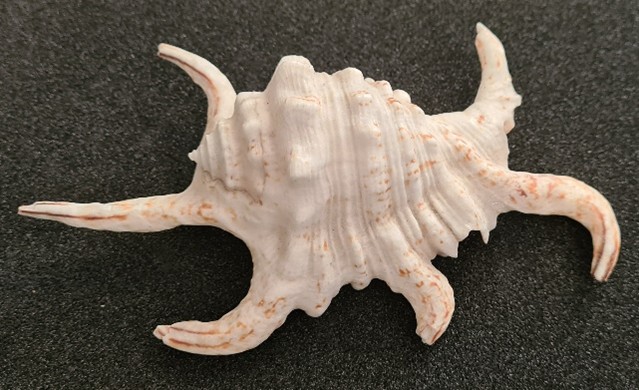
|
|
|
Chinese calligraphy The piece of Chinese writing in the loan box was donated to the museum in the 1800s by a Victorian collector. We don’t know the true age of the piece or what the writing says. We do believe it is mandarin, the dominant language in ancient China and China today. 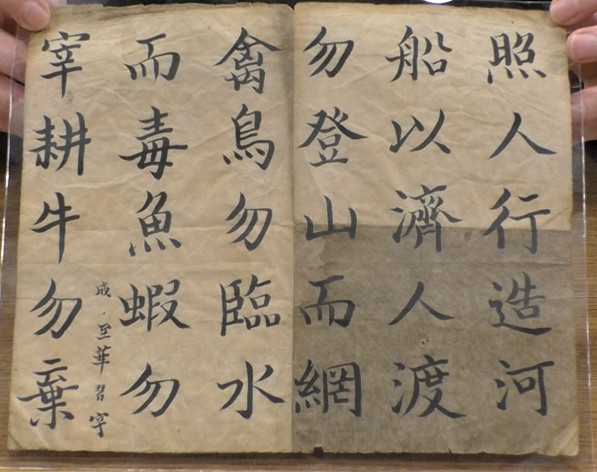
|
|
|
Illustrations of turtles Leatherback Turtle (top right) and Snake-necked Turtle (bottom right), 18th or 19th century engraving. For publishing in a natural history book. The leatherback turtle is now an endangered species. 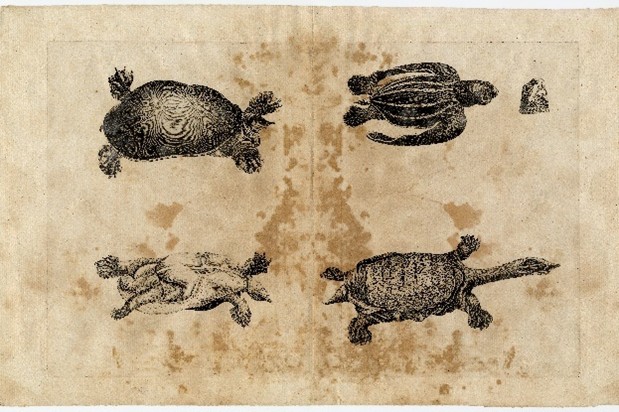
|
|
|
Illustration of a camelopardalis This is a copy of a page from ‘The Universal Magazine’, (page 144) April 1769. This is a letter to the magazine from someone who was seeing a giraffe for the first time. 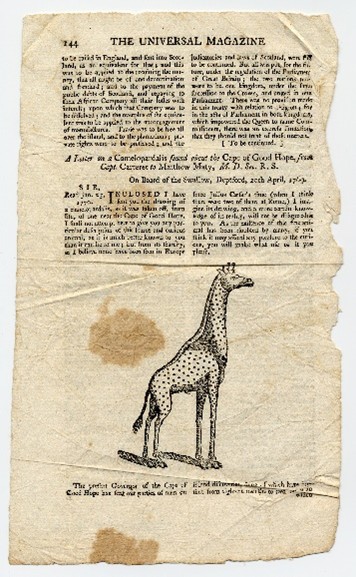
|
|
|
Gibraltar Engraving of the rock by I. Peeters, 18th century. This image from the 1700s is useful to show what ships of the time looked like. 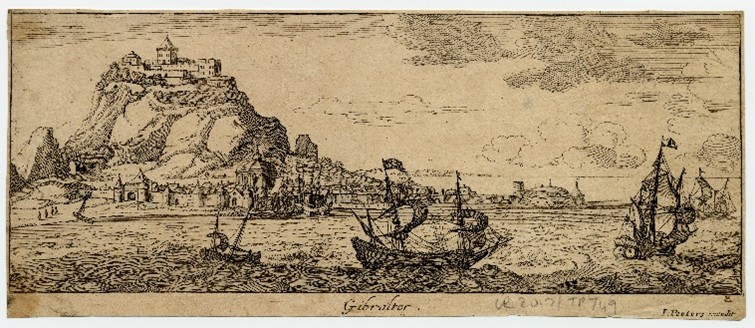
|
|
|
Colour wash of an oriental scene - 18th Century An illustration from the 1700s showing the architecture of buildings in China and some sailing vessels. People in the Western World would have seen differences in the buildings, clothes, boats and the plants growing. 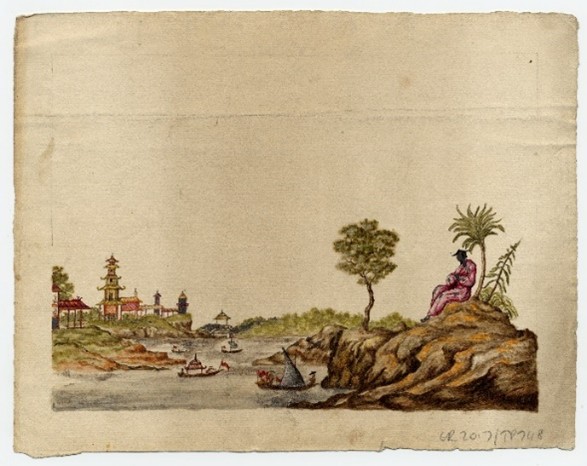
|
|
|
Illustration of a Broad-tailed Lizard Engraving by S. Stone. Published December 29, 1789 by J. Debrett. The Broad-tailed gecko is found in a specific area of Australia, in the Sydney basin. 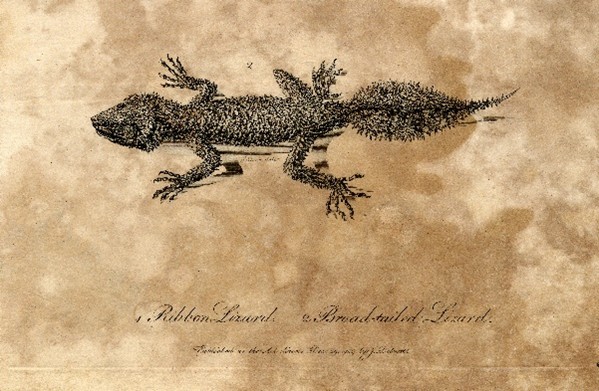
|
|
|
Map of Florida, the east coast A map of the coast of East Florida from the River St John, southward, to near Cape Canaveral. Engraved by T. Conder. Possibly from 1800. Florida was the first mainland area of North America to be settled by Europeans. The Spanish Explorer Juan Ponce de Leon was the first to write about the area in 1513. Native Americans had been living there up to 14,000 years ago, long before European settlers arrived. This map nearly reaches to Cape Canaveral where NASA launches rockets for space exploration. How does this map of Florida compare to modern day maps? Are any of the names the same? 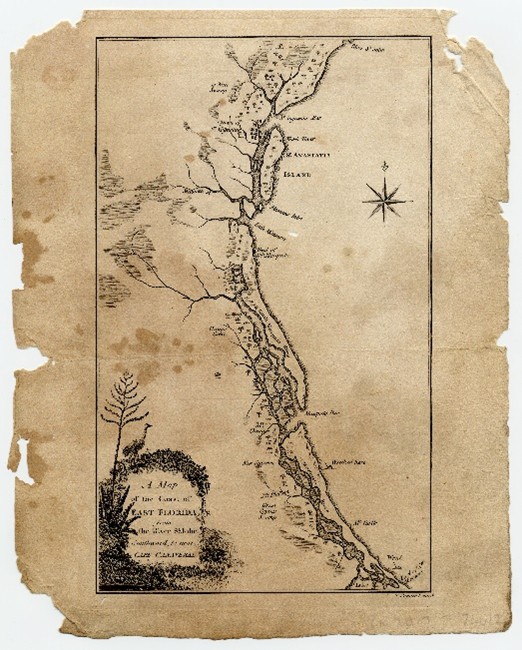
|
|
|
An illustration of a Bengal Bulbul bird Drawing by Major (Sir) William Ouseley of a Bengal Bulbul bird sent to Thomas Pennant, 1797. Sir William Ouseley travelled to Persia (modern day Iran) as a diplomat. He published books based upon his travels. 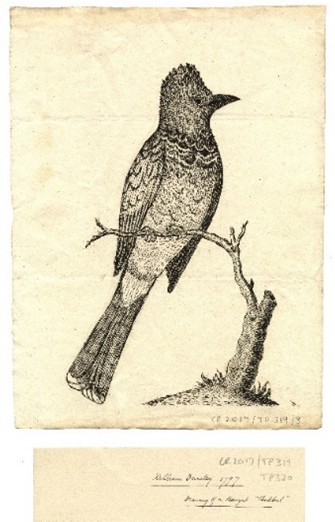
|