Rocks, Schools Loans Box - Loan Box Subscription Service
Rocks, Schools Loans Box |
|
|
In the box you will find a collection of rocks to use with your class to provoke conversation and support learning in the classroom. The teacher pack contains information about the objects in the box, local history links and suggested activities that will use the objects. Each activity stands alone and can be used independently of the others. The activities and objects in this box can be used to extend the topic beyond the history and science curriculum. Object ListThis list, from the teacher pack, shows the objects that are included in the Rocks Loans Box |
|
|
Fossiliferous limestone Sedimentary Limestone is a small to medium grained rock that is often grey, white or yellowish. It usually forms in warm, shallow waters, so can contain fossils of marine creatures. When these animals die, their shells or bones settle on the seafloor and become part of the rock. Geologists can use these fossils to determine the age of the rock. It can be eroded by rain, but is often found as a building material, and is a key ingredient of concrete. As it is made of calcium carbonate, limestone will react to acids, neutralising them. 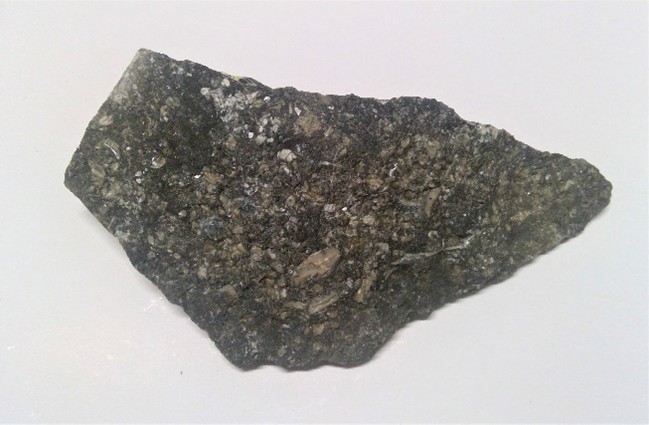
|
|
|
Sandstone Sedimentary Sandstone is comprised of sand-sized grains of mineral, rock and organic material, bound together with a cementing ingredient. It is a common rock found around the world, and is usually formed in riverbeds. 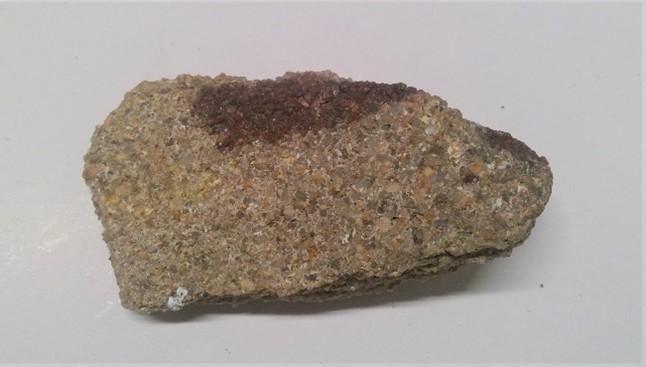
|
|
|
Granite Igneous Granite is formed from cooling magma underground and is medium – coarsely grained. It is a hard and resistant rock, and can be found in different colours, including black, grey, red and pink. It is found in the core of many mountains. Because it is hard-wearing, it is often used as a building material. 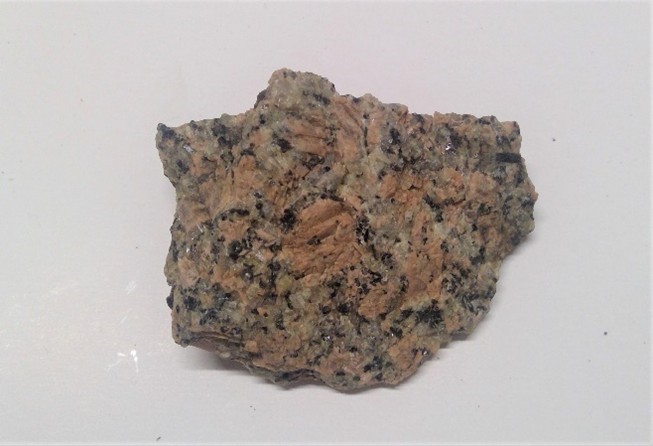
|
|
|
Basalt Igneous Basalt is the most common volcanic rock type in the Earth’s crust, and most of the world’s sea beds are made of basalt. Molten basalt lava can flow quickly and spread out over very large areas. It forms a rock when the lava cools very quickly and is fine-grained. Shield volcanoes are mostly made of basalt, and so is the Giant’s Causeway in Northern Ireland. It is dark in colour and is often crushed up to be used in concrete and paving materials. Basalt is found elsewhere in the solar system, including the Moon, Venus and Mars. 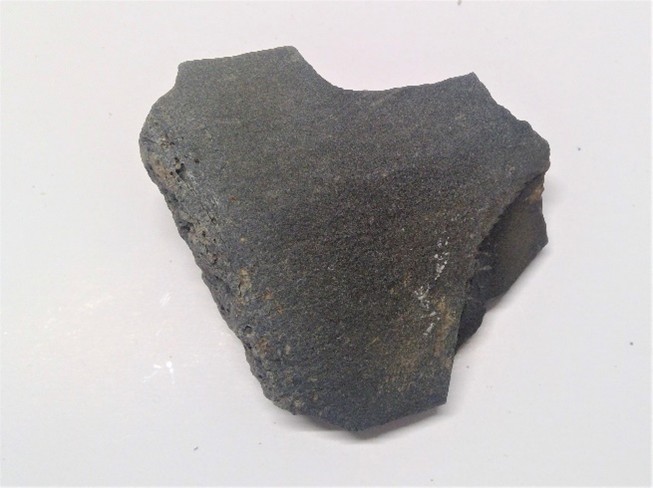
|
|
|
Gneiss Metamorphic Gneiss is formed underground in very high temperatures, with moderate to coarse grains. The alternating bands of different minerals are visible in the rock. The word Gneiss comes from German, and means bright or sparkling. 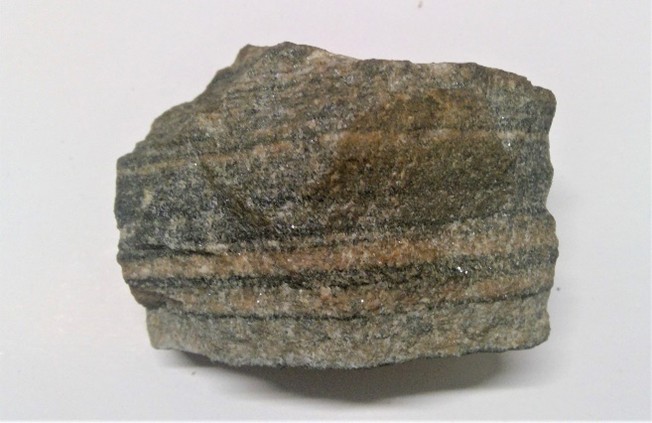
|
|
|
Marble Metamorphic Marble forms when limestone is put under extreme heat and pressure. This most frequently occurs at convergent plate boundaries. It is used in buildings and monuments, or crushed with other rocks for use in paving. As it is relatively soft, marble is easy to carve. Marble is a bright white colour, but can contain impurities which affect the colour. As with limestone, marble reacts to acid. 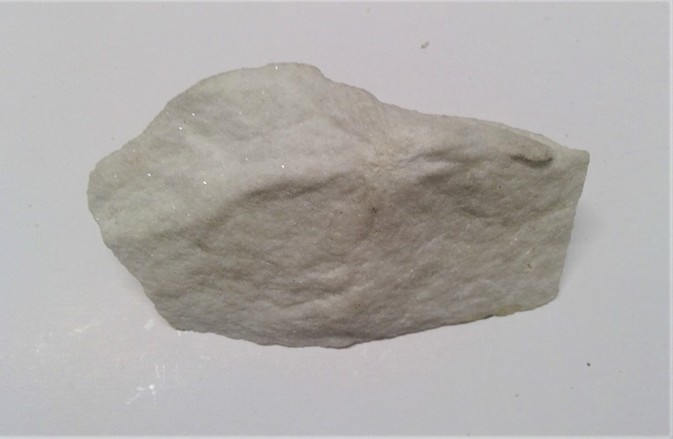
|
|
|
|