Volcanoes, Schools Loans Box - Loan Box Subscription Service
Volcanoes, Schools Loans Box |
|
|
In the box you will find a collection of rocks to use with your class to help them learn about volcanoes, provoke conversation and support learning in the classroom. The teacher pack contains information about the objects in the box, local history links and suggested activities that will use the objects. Each activity stands alone and can be used independently of the others. The activities and objects in this box can be used to extend the topic beyond your geography and science curriculum. Object ListThis list, from the teacher pack, shows the objects that are included in the Volcanoes Loans Box. |
|
|
Volcanic Ash Volcanic ash is made of very small particles of rock, mineral and glass from a volcanic eruption. The ash can be blown by the wind before falling to the ground far away. 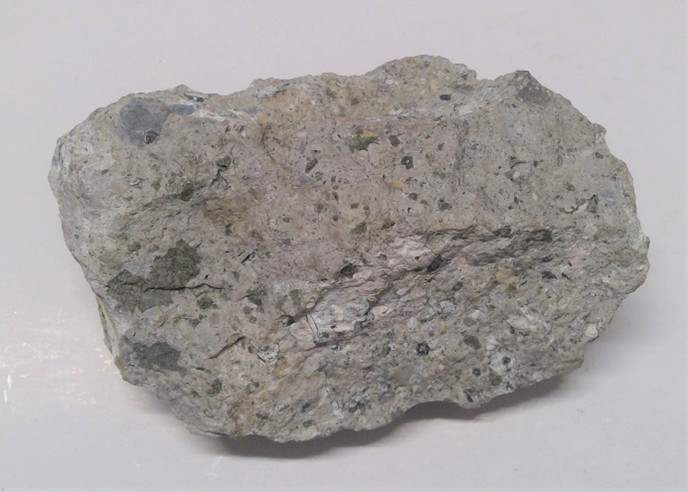
|
|
|
Basalt Lava Basalt is the most common volcanic rock type in the Earth’s crust, and most of the world’s sea beds are made of basalt. Molten basalt lava can flow quickly and spread out over very large areas. It forms a rock when the lava cools very quickly and is fine-grained. Shield volcanoes are mostly made of basalt, and so is the Giant’s Causeway in Northern Ireland. 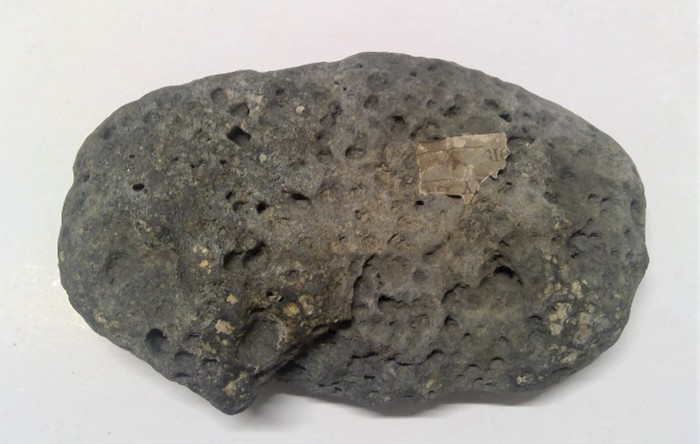
|
|
|
Rhyolite Lava Rhyolite has a high silicon content and has very small grains. They can form from cooled granite magma, and looks much like granite too. Rhyolite is formed from slow moving effusive eruptions, such as those on the Hawaiian islands. Rhyolites are good rocks for finding gems in. 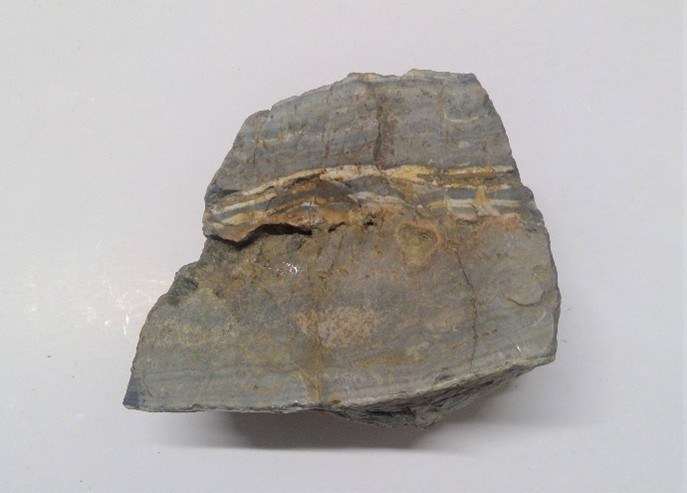
|
|
|
Granite Granite is formed from cooling magma underground and is medium – coarsely grained. It is a hard and resistant rock, and can be found in different colours, including black, grey, red and pink. It is found in the core of many mountains. Because it is hard-wearing, it is often used as a building material. 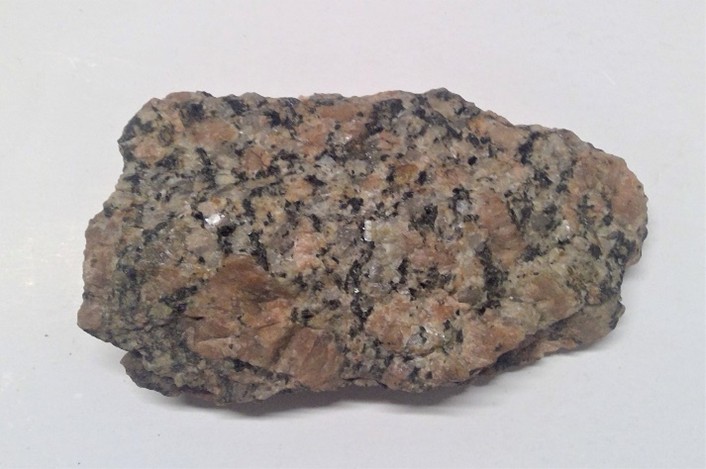
|
|
|
Quartz Crystal Quartz is a hard mineral that can be found in all kinds of rock. There are many varieties including agate and amethyst. Quartz has a special use in electronics, and can be found in clocks, radios and televisions. 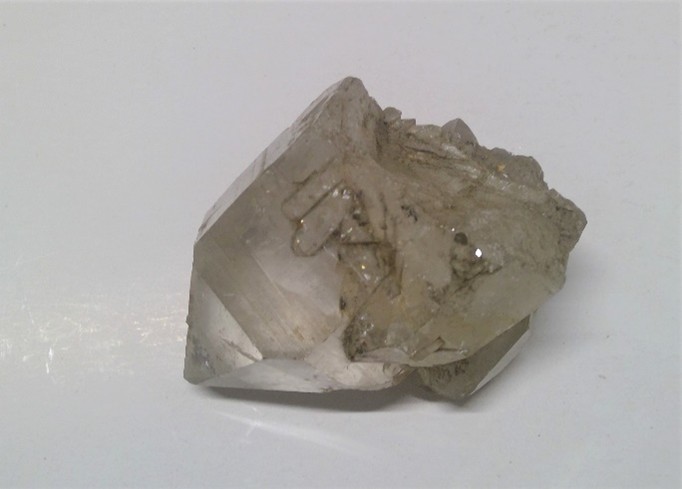
|
|
|
|