World War One, Schools Loans Box - Loan Box Subscription Service
World War One, Schools Loans Box |
|
|
In the box you will find a collection of original objects to use with your class to help them learn about life on the front-line during World War One, provoke conversation and support learning in the classroom. The teacher pack contains information about the objects in the box, local history links and suggested activities that will use the objects. Each activity stands alone and can be used independently of the others. The activities and objects in this box can be used to extend the topic of the World War One beyond the history curriculum. Object listThis list, from the teacher pack, shows the objects that are included in the World War One Loans Box. |
|
|
Mess Tin This was one of the most important, yet mundane, pieces of kit that all soldiers would have been issued with. A mess tin was a single container from which a soldier would eat. They were made from metal, which meant that they could also be used like a saucepan to heat food up and had detachable handles for this purpose. This particular model of mess tin was designed with a curved handle and two holes in the lid, which allowed the handle to be attached while the lid was still on. This helped keep the food inside warm. 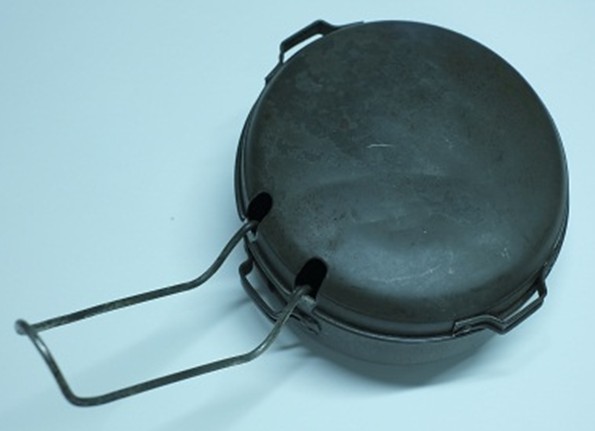
|
|
|
Brown Mug These types of drinking mugs were usually issued to army barracks and were not initially intended to be carried around by individual troops on the front line. However, most soldiers did keep one with them, as they were light-weight, fairly durable and allowed them to stop for a hot drink if they came across some being made. 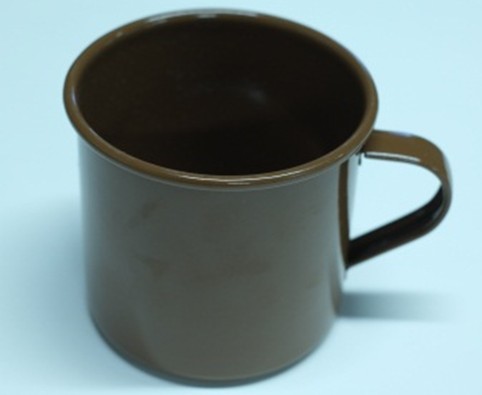
|
|
|
Gas Warning Rattle These rattles were constructed of a wooden frame inside which was a wooden slat lying against a star-shaped tumbler. This frame was attached to a handle. When cranked, the wooden slat is forced against the tumbler as it turns and it makes a very loud sound. This sound would carry over most noise and alert soldiers of a gas attack and it was the signal for them to put on gas masks. Many of these rattles were later adapted and used at football matches. Please Note: Do not allow children to play with the rattle as it is both very loud and very heavy. 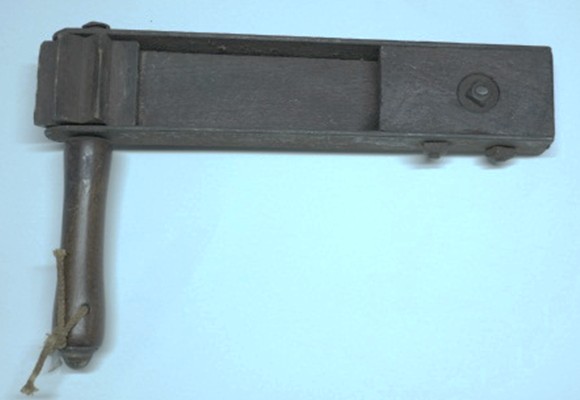
|
|
|
Socks One of the biggest threats on the front line was ‘trench foot’, which was caused by soldiers being stood in cold, muddy and waterlogged conditions for long periods of time. One of the best ways to combat this was by regularly changing into fresh socks, which would keep the feet warm and dry. It did not take long before home-knitted socks were a staple of care packs sent by loved-ones to the front. By 1917, the need for socks was so desperate that the Red Cross launched a campaign encouraging women to knit as many as they could. They included guidelines for knitting seamless and more comfortable socks for the soldiers, which makes them look a slightly odd shape. 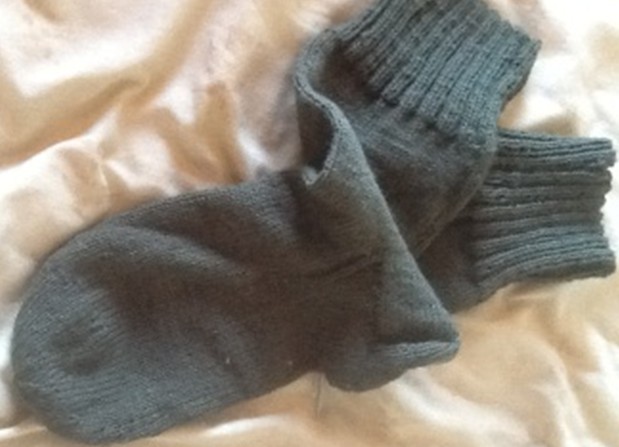
|
|
|
Images of Silk Embroidered Postcards x6 Although postcards like these first appeared at the Paris exhibition in 1900, they reached the height of popularity at the time of the First World War. French and Belgian women created the postcards and sold them as souvenirs to Western Front soldiers. To begin with, silk was originally embroidered by hand by women and girls in their homes or at refugee camps, but production moved to factories in Paris to keep up with demand. Images on the cards included forget-me-not and pansy flowers, bluebirds, patriotic messages, and symbols such as the flags of the Allies, regimental crests and badges. These intricately-detailed cards would have been sent home without revealing what the soldiers were really experiencing, so mothers and wives did not know the full tragedy of the war. 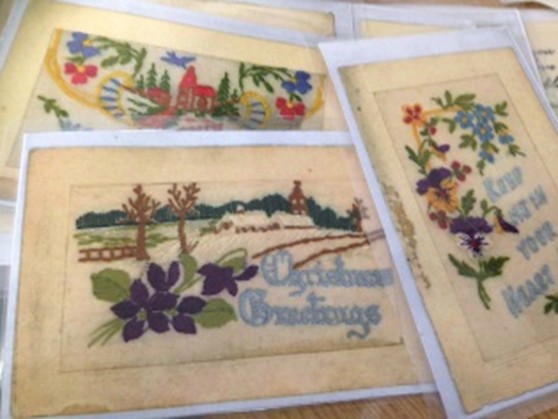
|
|
|
British First Field Dressing Medical provisions at the start of the First World War were very basic. Each soldier’s standard kit consisted only of a First Field Dressing, which was kept in a special pocket in his tunic. The pack contained two identical dressings consisting of a wool pad, piece of gauze, waterproof cover, bandage and pins. These were contained within a sealed cotton bag, upon which instructions for application were printed. If a soldier was injured, either himself or a fellow soldier would dress the wound with his own dressing before seeking further medical assistance. It is thought that the packs contained two sets of dressings due to the large number of artillery injuries that were sustained, which would usually consist of an entry and exit wound. 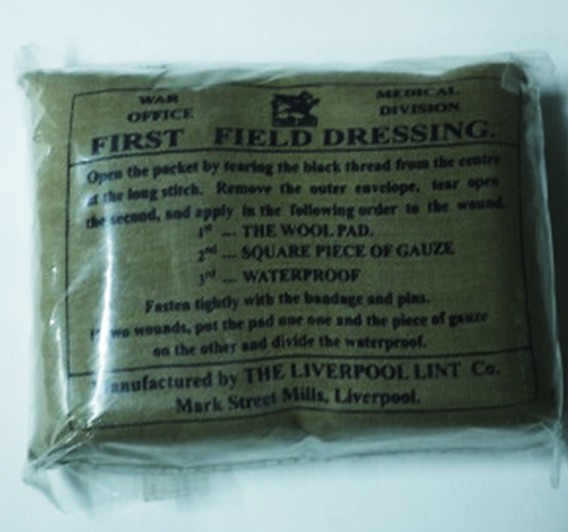
|
|
|
Iodene Ampule Although a British soldier was only issued with a First Field Dressing, sometimes, if they were lucky, they could also get hold of a capsule containing iodine like this one. Typically they were only carried by medics and stretcher-bearers. If injured, the soldier would break open the capsule and pour the iodine over their wound before dressing it. This would clean the area and help prevent infections. From mid-1917, iodene ampoules began to be included as standard issue with the First Field Dressing. 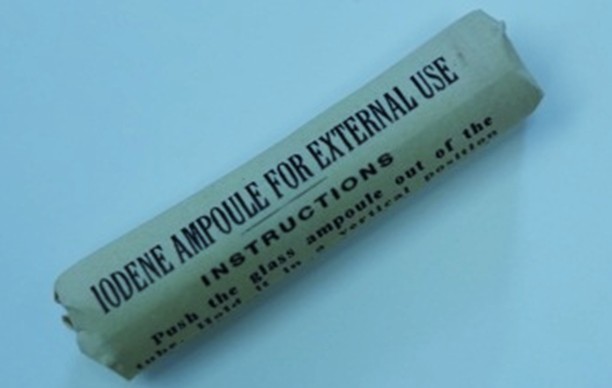
|
|
|
Trench Whistle Trench whistles, usually made of either copper or tin, were carried by all officers during the First World War. They would be used to give commands and signals to troops over the noise of battle. Most whistles used during the First World War were manufactured in Birmingham by the company Hudson & Co. 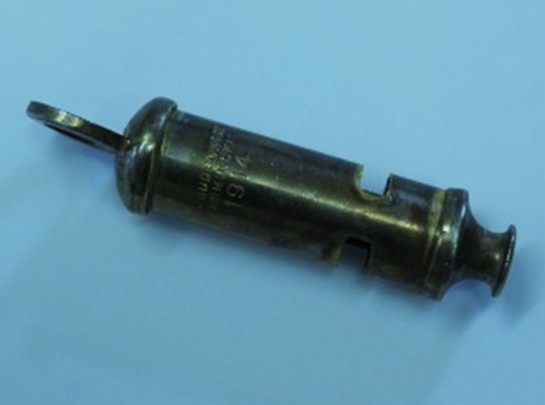
|
|
|
|