World War Two Box 1, Schools Loans Box - Loan Box Subscription Service
World War Two Box 1, Schools Loans Box |
|
|
In the box you will find a collection of original objects to use with your class to help them learn about life in Britian during World War Two, provoke conversation and support learning in the classroom. The teacher pack contains information about the objects in the box, local history links and suggested activities that will use the objects. Each activity stands alone and can be used independently of the others. The activities and objects in this box can be used to extend the topic of the Home Front beyond the history curriculum. Object listThis list, from the teacher pack, shows the objects that are included in the World War Two Loans Box 1. |
|
|
Rationed Evaporated Milk Tin Milk was amongst the foods rationed throughout the war. Dried milk like this was made by the government to ensure families who could not afford fresh milk could still provide milk for young children and babies. A tin this size would have made 7 pints. 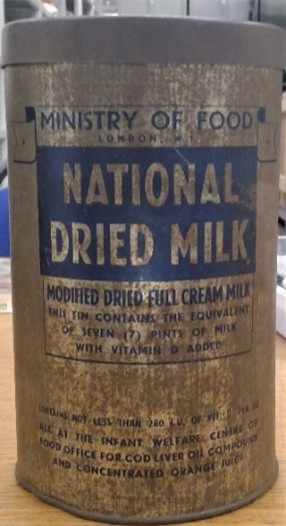
|
|
|
Gas Mask At the outbreak of the war, the government feared that bombers would drop poison gas on civilian areas. Everyone in the country was issued with a gas mask, including special ones for children and babies. Children’s masks were called ‘mickey mouse’ masks as they were designed to appear less scary. The asbestos filter has been removed from this gas mask to make it safe for handling. 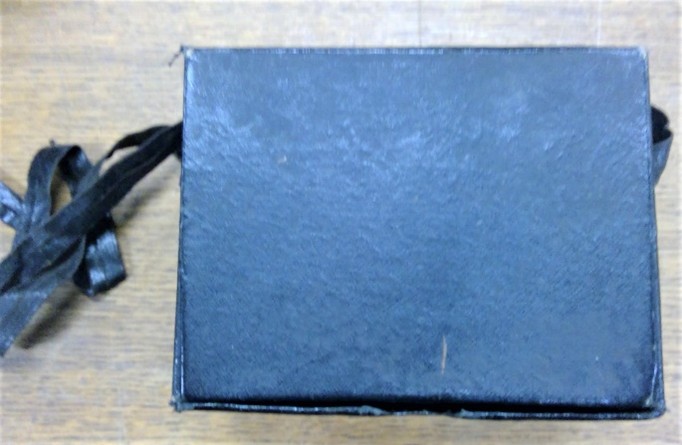
|
|
|
Blow Football Game An example of a children’s game from the war. The box included straws which would be used to blow the ball into your opponent’s goal. Games such as these would have provided entertainment during an air raid. 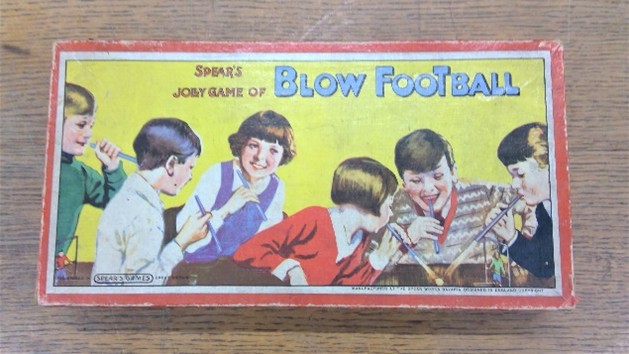
|
|
|
Victory Geographical Puzzle A children’s jigsaw puzzle showing a map of the British Isles. 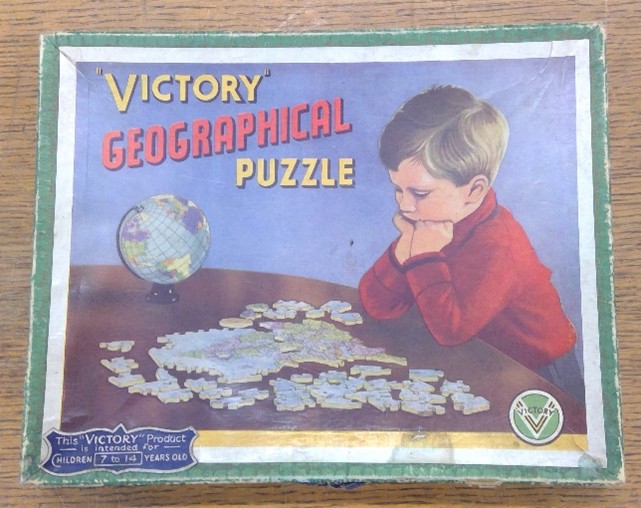
|
|
|
Dried Egg Recipes Leaflet Like milk, eggs were strictly rationed and so powdered alternatives became common. Using the eggs in baking and creative recipes helped to hide the fact the dried egg was not as tasty as fresh. People were encouraged to be creative with the rations they had and leaflets like these helped them make the most of the food that they did have. 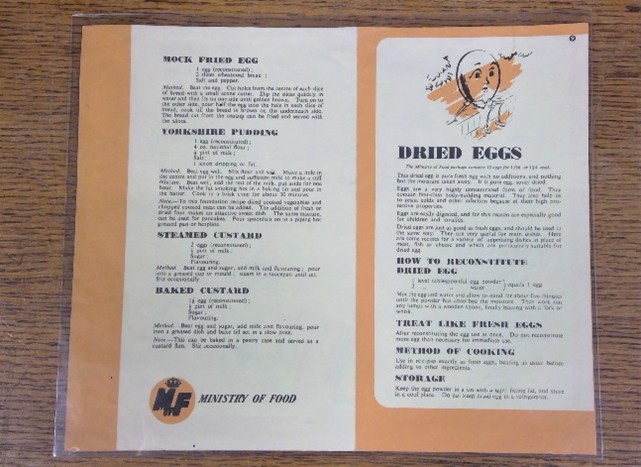
|
|
|
Make Do and Mend Leaflet Make Do and Mend as an official campaign began in 1942, a year after clothes rationing was introduced. Fabric was used in the war effort for things such as uniforms, so maintaining or re-using old clothes was encouraged. Posters and leaflets created a playful vibe to help people be creative and covered topics such as darning and preventing moth damage. This spirit was also applied to women’s make-up, as keeping up appearances was thought to show good morale. 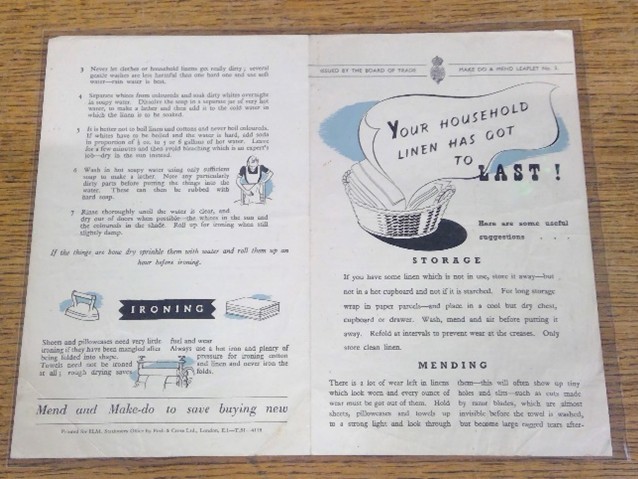
|
|
|
Rabbit Sewing Pattern Materials for toys were hard to get hold of during the war, so making your own toys was an alternative. This pattern is designed to be economical and use as little fabric as possible. 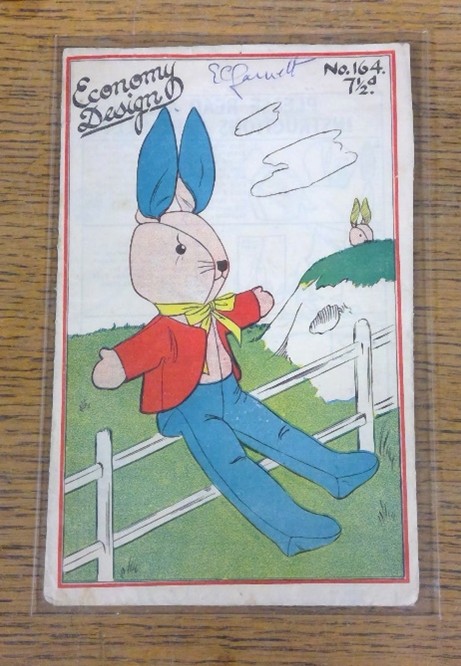
|
|
|
Socks with fabrics were rationed from June 1941, but prices were not controlled and Socks with CC41 Label 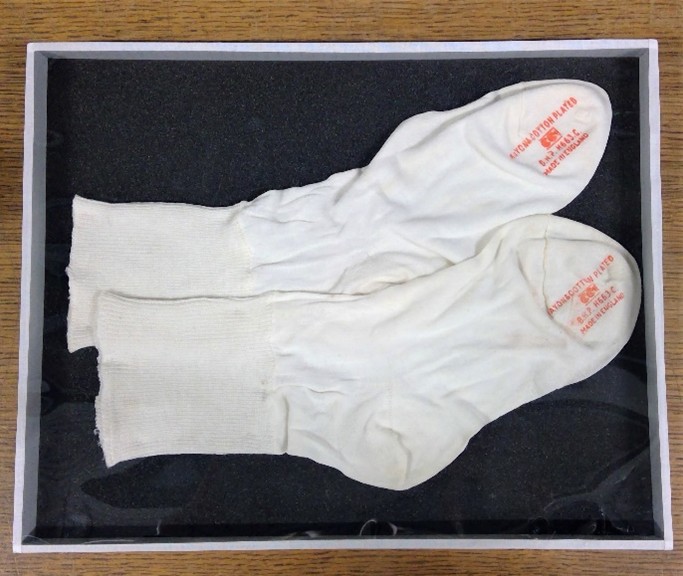
|
|
|
Ration Coupon Book German U-Boats attacked ships bringing food to Britain in an attempt to make the country surrender. Food became scarce and prices went up. Rationing was introduced in January 1940 to make sure everyone in Britain had enough to eat. Not all foods were rationed, but the list increased as the war went on, with bread going ‘on the list’ in 1946. The last items to be taken off rationing were in 1954. 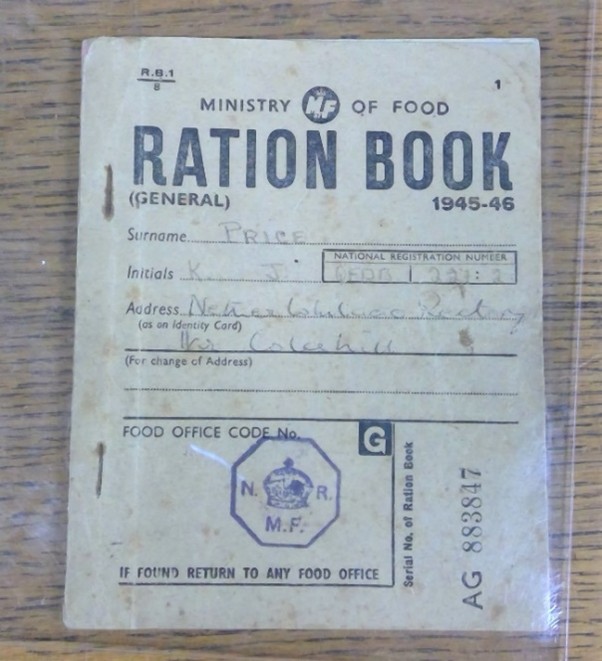
|
|
|
|